A skin problem can be surprisingly difficult to identify by appearance alone. A red patch may be eczema, an allergy, an infection, or another inflammatory condition. A dark spot may be leftover pigmentation, a mole, or something that needs closer attention.
This is why dermatology is not simply about looking at a rash and choosing a cream. Diagnosis usually starts with a conversation, a careful examination, and sometimes a test when the answer is not clear from the skin alone.
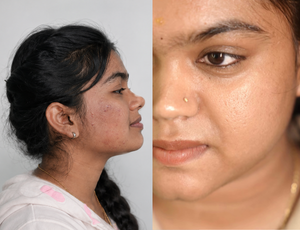
The First Step Is Listening to the Skin Story
During a consultation, a dermatologist will usually ask questions that may seem simple but can reveal useful clues.
When did the problem begin? Does it itch or hurt? Has it appeared before? Is it getting bigger? Did it start after a new soap, cosmetic, medicine, food, or workplace exposure? What have you already tried?
These details can change the direction of the diagnosis.
Take contact dermatitis as an example. The rash may be the most obvious part, but finding out that it repeatedly appears after using a particular cosmetic or coming into contact with a substance at work may be more useful than treating the redness alone. If an allergy is suspected and the trigger is unclear, patch testing may sometimes be used to identify relevant allergens.
What Dermatologists Look for During an Examination
A dermatologist does not look only at colour.
The location, shape, edges, texture, scaling, distribution, and pattern of a skin change can all provide information. They may also examine the scalp, nails, mouth, or other areas when the symptoms suggest that they could be connected.
For example, psoriasis can sometimes affect more than the skin surface, while certain nail changes can occur alongside inflammatory skin diseases. Looking at the wider picture can prevent the consultation from becoming focused on one isolated patch.
Sometimes a magnifying device is used to examine a spot more closely. This can be particularly helpful when assessing certain pigmented lesions or other suspicious changes.
Why Similar Looking Problems Can Need Different Tests
One of the most frustrating things about skin conditions is that different diseases can look almost identical at first.
A scaly patch could be eczema or a fungal infection. An itchy rash could have an allergic, inflammatory, infectious, or other cause. Treating the visible symptom without establishing the cause can lead to repeated flare ups.
When the diagnosis remains uncertain, a dermatologist may recommend an appropriate test rather than continuing to guess.
For suspected fungal problems, this may involve examining material from the affected skin. For selected rashes or unusual lesions, a skin biopsy may be recommended.
A biopsy sounds alarming to many patients, but it is simply the removal of a small sample of tissue for examination under a microscope. It is used for a range of skin conditions, not only cancer.
When a Biopsy Becomes Important
A biopsy is particularly useful when the appearance of a lesion does not provide a reliable answer.
Suppose a rough patch has persisted for months and does not behave like the common conditions initially considered. Rather than repeatedly changing creams, the dermatologist may decide that examining a small tissue sample will provide better information.
The sample is reviewed under a microscope, often by a doctor with expertise in dermatopathology. The resulting report can help confirm or refine the diagnosis and guide what happens next.
For a suspicious mole or growth, biopsy can also be essential. In suspected skin cancer, examining the tissue is what confirms whether cancer cells are present.
Diagnosis Does Not Always Mean One Test
There is no single test that identifies every skin condition.
Many common problems can be diagnosed from the history and physical examination alone. Others need additional investigation. In some situations, blood tests may be considered when the skin findings could be associated with another medical condition.
The important point is that testing should have a reason. A good diagnostic process is not about ordering every possible test. It is about using the information available to narrow down the possibilities and investigate further when necessary.
What This Means for Patients
If a rash keeps returning, acne suddenly changes, pigmentation develops without an obvious explanation, a fungal infection repeatedly comes back, or a mole changes in appearance, it is worth describing the pattern rather than simply saying that the skin looks different.
If possible, bring a list of medicines and skincare products you use. Photos of an earlier flare can also be useful when a condition comes and goes before the appointment.
For people considering professional evaluation of persistent or unexplained skin concerns, Best Dermatology in Yelahanka can be one local option to explore when choosing appropriate dermatology care.
Conclusion
Good dermatological diagnosis is often a process of putting small pieces together. The history gives context, the examination provides visual and physical clues, and testing can help when the picture is uncertain.
That approach is useful because treating the wrong condition can waste time and sometimes irritate already sensitive skin. When a skin problem keeps returning or changes in a way that concerns you, finding out what it actually is can be more valuable than trying another product at random.
Perfect U - Hair Transplant & Skin Clinic
Address: Welcome's Boulevard, 1993, Major Sandeep Unnikrishnan Rd, Yelahanka Satellite Town, Yelahanka New Town, Bengaluru, Karnataka 560064
Phone: 090357 77641